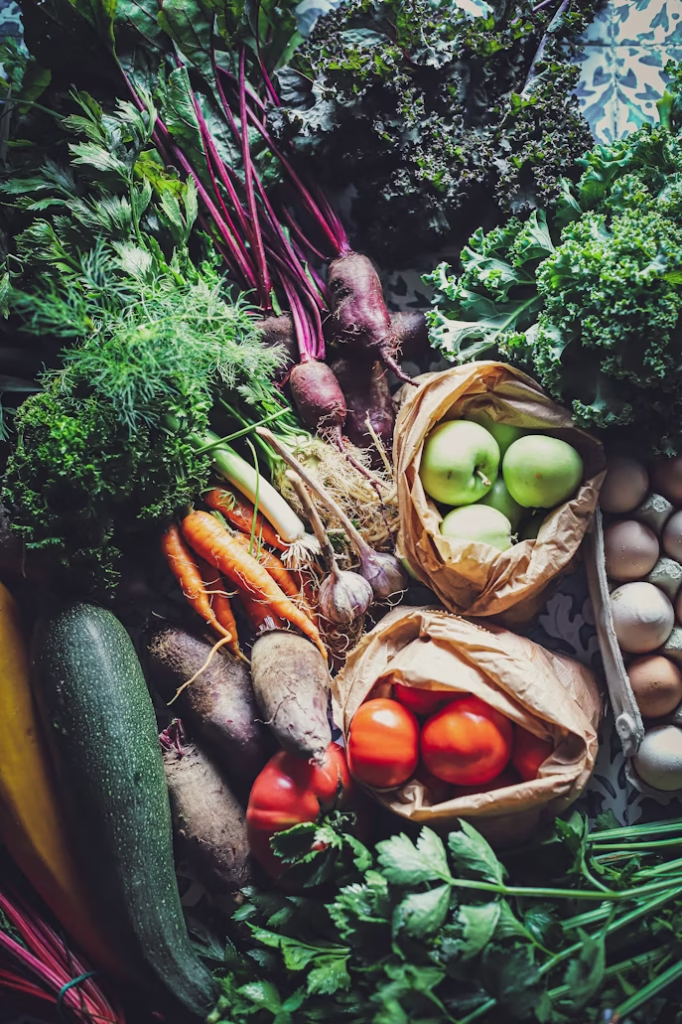
A slow or low metabolism can make you feel tired, increase weight gain, and reduce overall energy levels. Many people try different diets or supplements but still struggle because they don’t address the root causes of a sluggish metabolism. The good news is that with the right habits, you can naturally boost your metabolism and support better health, energy, and fat-burning capacity.
In this detailed guide, you’ll learn what metabolism is, signs of low metabolism, common causes, and scientifically backed methods to fix and boost your metabolic rate naturally.
What Is Metabolism?
Metabolism is the process through which your body converts food and drink into energy. It includes all chemical reactions that keep you alive—breathing, digesting food, circulating blood, cell repair, and maintaining body temperature.
Your metabolic rate depends on:
- Basal Metabolic Rate (BMR) – energy needed for basic body functions
- Physical activity – exercise + daily movements
- Thermic Effect of Food (TEF) – energy required to digest food
- Hormones – like thyroid hormones, insulin, cortisol, etc.
When your metabolism slows down, your body burns fewer calories and stores more fat.
Signs of Low Metabolism
If you are dealing with a slow metabolism, you may notice:
- Sudden or unexplained weight gain
- Fatigue or low energy
- Feeling cold frequently
- Dry skin
- Hair fall
- Difficulty losing weight
- Irregular digestion or constipation
- Low mood or difficulty concentrating
These symptoms may also relate to hormonal or lifestyle factors, so improving metabolism naturally can make a big difference.
What Causes Low Metabolism?
Several factors can slow down metabolic rate:
- Poor diet (low protein, high sugar, low calories)
- Lack of physical activity
- Not getting enough sleep
- Chronic stress
- Dehydration
- Skipping meals
- Hormonal changes (thyroid, insulin, cortisol)
- Age-related muscle loss
Understanding these causes helps you adopt the right habits to fix your metabolism.
How to Fix Low Metabolism Naturally
Below are scientifically supported, safe, and effective methods to speed up your metabolism.
1. Start Your Day With a Protein-Rich Breakfast
Protein increases the thermic effect of food (TEF), meaning your body burns more calories digesting protein than carbs or fats.
Some protein-rich breakfast options:
- Eggs
- Greek yogurt
- Oats with nuts and seeds
- Paneer/Tofu
- Moong dal chilla
Protein also reduces hunger and prevents overeating.
2. Eat Enough Calories (Don’t Starve Yourself)
Extreme dieting or skipping meals makes your body go into “energy-saving mode”, slowing metabolism to conserve calories.
Aim for:
- Balanced meals
- Eating every 3–4 hours
- Avoiding long gaps
Focus on nutritious calories instead of cutting too much food.
3. Drink More Water — Especially Cold Water
Hydration is crucial for metabolic function. Even mild dehydration can slow your metabolism.
Benefits:
- Water boosts calorie burn temporarily
- Supports digestion and nutrient absorption
- Helps maintain energy levels
Aim for 2–3 liters of water per day, more if physically active.
4. Build Muscle Through Strength Training
Muscle burns more calories than fat, even when you’re resting.
This makes strength training one of the best ways to fix low metabolism.
Try:
- Weight lifting
- Resistance bands
- Bodyweight exercises (push-ups, squats, lunges)
- Gym machines
Just 30 minutes, 3–4 times a week, can significantly boost metabolic rate.
5. Do High-Intensity Interval Training (HIIT)
HIIT workouts create an after-burn effect, meaning your body continues burning calories even after exercise.
A simple HIIT example:
- 30 seconds fast running
- 30 seconds slow walking
- Repeat for 10–15 minutes
This improves metabolism, heart health, and fat loss.
6. Improve Your Sleep Quality
Poor sleep increases stress hormones and slows metabolism.
Adults need 7–9 hours of sleep for optimal metabolic health.
Tips for better sleep:
- Fixed sleep schedule
- No screens 1 hour before bed
- Dark, quiet room
- Avoid heavy meals late at night
Good sleep improves energy, hunger control, and metabolic rate.
7. Reduce Stress to Support Hormonal Balance
Chronic stress increases cortisol, a hormone that slows metabolism and increases fat storage (especially belly fat).
Try stress-relieving activities:
- Yoga
- Deep breathing
- Meditation
- Walks in nature
- Listening to calming music
Calm mind = better hormonal health = faster metabolism.
8. Increase Daily Movement (NEAT Activities)
Non-Exercise Activity Thermogenesis (NEAT) includes everything you do outside of formal workouts:
- Walking
- Cleaning
- Gardening
- Taking stairs
- Standing desks
Increasing your daily steps alone can significantly boost your metabolism.
Aim for 7,000–10,000 steps daily.
9. Add Metabolism-Boosting Foods to Your Diet
Some natural foods help improve metabolic rate:
Protein Sources
- Eggs
- Chicken/Fish
- Beans and lentils
- Nuts and seeds
Iron, Zinc, and Selenium Foods
These minerals support metabolic hormones:
- Spinach
- Banana
- Brown rice
- Pumpkin seeds
Metabolism-Boosting Spices
- Ginger
- Cinnamon
- Black pepper
- Turmeric
Healthy Fats
- Olive oil
- Almonds
- Flaxseed
- Avocado
Incorporating these foods improves digestion, energy, and metabolic efficiency.
10. Avoid Sugary Foods and Highly Processed Snacks
Refined carbs and sugary foods cause rapid spikes and crashes in blood sugar, slowing metabolism over time.
Examples to reduce:
- White bread
- Bakery items
- Soda
- Sugary snacks
- Fast food
Replacing them with whole foods helps maintain steady energy and metabolic balance.
11. Support Your Gut Health
A healthy gut = better metabolism.
Include:
- Curd/Yogurt
- Probiotic foods
- High-fiber vegetables
- Whole grains
- Prebiotic foods like bananas, garlic
Good digestion leads to better nutrient absorption and metabolic rate.
12. Don’t Sit for Long Hours
Sitting too long slows calorie burning.
Take short breaks every 45 minutes:
- Stand
- Stretch
- Walk around
This simple routine improves blood circulation and metabolic activity.
Final Thoughts
Fixing low metabolism is not about shortcuts or extreme routines. It’s about building healthy, sustainable habits that support your body’s natural energy-burning capacity. By improving your diet, staying active, getting enough sleep, and managing stress, you can significantly boost your metabolism.
Remember, small daily habits create big long-term changes.