
🌍 Introduction
Artificial Intelligence (AI) is no longer just a concept from science fiction — it’s an essential part of our everyday lives. From unlocking your phone with facial recognition to getting personalized Netflix recommendations or talking to your virtual assistant, AI quietly powers most of the tools we use daily.
In 2025, AI is reshaping how we live, work, learn, and communicate. It’s making life easier, faster, and smarter — often without us even realizing it.
Let’s explore how AI is changing everyday life and look at 10 real-world examples of AI in day-to-day use that are transforming the modern world.
💡 1️⃣ AI in Smartphones and Virtual Assistants
Your smartphone is probably the most intelligent AI device you own.
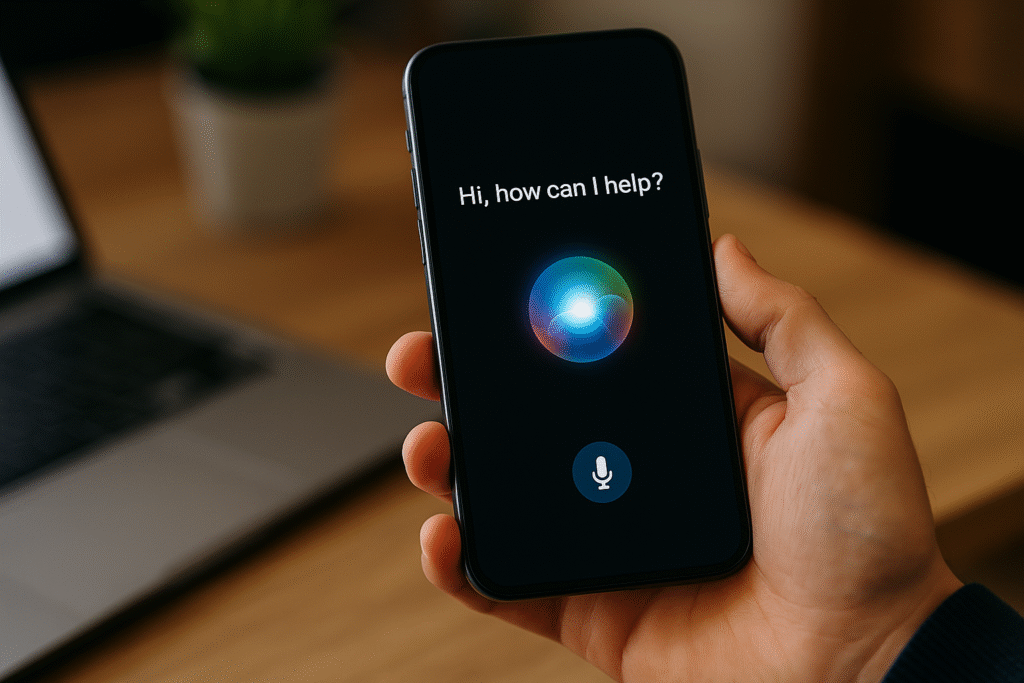
Every time you say “Hey Google”, “Alexa”, or “Siri”, you’re interacting with an AI system. These virtual assistants understand your commands, respond in natural language, and even learn from your habits over time.
🔍 Examples:
- Voice search using Google Assistant
- iPhone Siri for reminders, calls, or messages
- Alexa smart home controls
- Samsung Bixby automation
💡 AI Impact:
AI has turned smartphones into personal companions that can schedule tasks, find directions, and even detect spam calls automatically.
🛒 2️⃣ AI in Online Shopping and Product Recommendations
Ever wondered how Amazon, Flipkart, or Netflix always seem to “know” what you want? That’s AI-driven recommendation systems at work.
AI algorithms analyze your browsing patterns, purchase history, and interests to suggest products, movies, or songs tailored to your preferences.
🔍 Examples:
- Amazon’s product recommendations
- Netflix and Spotify personalized suggestions
- YouTube video recommendations
💡 AI Impact:
AI personalizes your experience, saving time and helping you discover what you’ll most likely enjoy.
🚗 3️⃣ AI in Cars and Transportation
From driver-assistance systems to self-driving vehicles, AI is revolutionizing how we travel.
Modern cars are equipped with sensors and AI systems that enhance safety and convenience. Features like lane detection, emergency braking, and adaptive cruise control are all powered by artificial intelligence.
🔍 Examples:
- Tesla’s Autopilot and Full Self-Driving (FSD)
- Google’s Waymo self-driving project
- Smart navigation apps (Google Maps AI traffic prediction)
💡 AI Impact:
AI reduces human error, improves fuel efficiency, and makes daily commuting safer and smarter.
💰 4️⃣ AI in Banking and Finance
Financial institutions use AI to improve customer experience, detect fraud, and manage risks.
Chatbots answer queries instantly, while machine learning models analyze patterns to flag suspicious transactions in real-time.
🔍 Examples:
- AI chatbots for customer support
- Fraud detection by analyzing unusual activity
- Robo-advisors like Zerodha or Groww for smart investing
💡 AI Impact:
AI in finance saves time, enhances security, and offers personalized investment suggestions.
🏠 5️⃣ AI in Smart Homes
Welcome to the era of smart living — where AI helps control your lights, fans, AC, and security systems.
Smart home devices use AI to learn your preferences and automate tasks like adjusting lighting, managing temperature, or even brewing your coffee at the perfect time.
🔍 Examples:
- Amazon Echo and Google Nest smart hubs
- Smart lighting systems (Philips Hue)
- AI-enabled security cameras (Blink, Mi, Ring)
💡 AI Impact:
AI simplifies home management and makes life more comfortable and energy-efficient.
🩺 6️⃣ AI in Healthcare
AI is saving lives by making healthcare faster, smarter, and more accurate.
Doctors now use AI tools for early disease detection, analyzing X-rays, and predicting health risks based on medical data.
🔍 Examples:
- AI-powered fitness wearables (Fitbit, Apple Watch)
- Chatbots like Babylon Health for virtual consultations
- AI-assisted radiology and diagnostics
💡 AI Impact:
AI helps doctors make better decisions, patients monitor their health, and hospitals deliver improved care with fewer errors.
🎓 7️⃣ AI in Education and Learning
AI is reshaping education by making learning personalized, flexible, and accessible.
Platforms like Coursera, Duolingo, and Khan Academy use AI algorithms to adapt lessons based on each learner’s strengths and weaknesses.
🔍 Examples:
- AI tutors that personalize study material
- Automatic essay grading and plagiarism detection
- Smart classroom tools that analyze student engagement
💡 AI Impact:
AI ensures students learn at their own pace and receive customized feedback — improving results and motivation.
📰 8️⃣ AI in Social Media and Content Creation
AI is the invisible force behind your social media feed. It decides what posts you see, which ads appear, and even suggests friends you might know.
It’s also powering creative tools that generate text, videos, and music — helping creators save time.
🔍 Examples:
- AI algorithms in Facebook, Instagram, and YouTube
- ChatGPT and Jasper for writing blogs
- Canva and Adobe Firefly for AI-based design
💡 AI Impact:
AI enhances creativity, automates content creation, and keeps social media feeds relevant to users’ interests.
🧳 9️⃣ AI in Travel and Navigation
Travel planning has become effortless with AI. From finding cheap flights to suggesting the best restaurants, AI-powered tools handle it all.
🔍 Examples:
- Google Maps traffic prediction
- Chatbots on airline websites
- AI itinerary planners like Expedia and Skyscanner
💡 AI Impact:
AI saves travelers time, money, and stress — offering smarter, personalized experiences every step of the way.
💼 🔟 AI in Workplaces and Productivity Tools
AI is transforming workplaces by automating repetitive tasks and boosting efficiency.
From writing emails to managing projects or summarizing reports, AI tools are helping professionals work smarter, not harder.
🔍 Examples:
- ChatGPT and Google Gemini for writing & research
- Grammarly for AI grammar correction
- Zoom’s AI transcription and meeting summaries
💡 AI Impact:
AI boosts productivity, reduces human error, and allows professionals to focus on creativity and decision-making.
⚡ Summary: 10 Real-Life Uses of AI in Day-to-Day Life
| # | AI Application | Real-Life Example | Impact |
|---|---|---|---|
| 1 | Smartphones & Assistants | Siri, Alexa | Easy task management |
| 2 | Online Shopping | Amazon, Netflix | Personalized experience |
| 3 | Cars & Travel | Tesla, Maps | Safer journeys |
| 4 | Banking | Chatbots, Fraud detection | Secure transactions |
| 5 | Smart Homes | Echo, Nest | Energy efficiency |
| 6 | Healthcare | AI diagnosis tools | Early disease detection |
| 7 | Education | Duolingo, Coursera | Personalized learning |
| 8 | Social Media | Instagram, YouTube | Relevant content |
| 9 | Travel | Expedia, Skyscanner | Smart trip planning |
| 10 | Workplace | ChatGPT, Grammarly | Productivity boost |
🌟 Final Thoughts
AI has moved beyond laboratories — it’s now woven into the fabric of our daily lives. From the way we work, shop, and learn, to how we travel, socialize, and even relax, artificial intelligence is quietly making everything more personalized and efficient.
As AI continues to evolve, we can expect even smarter homes, safer cities, and more intelligent tools that simplify our daily lives. The key is to use AI wisely — as a helper, not a replacement.
“Artificial Intelligence won’t replace humans — but humans who use AI will replace those who don’t.”